

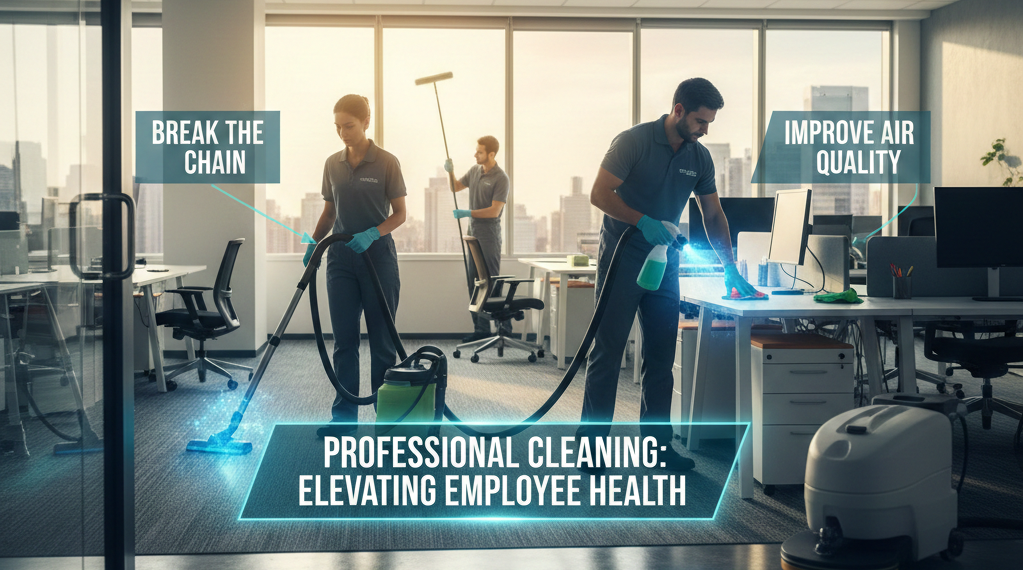
A clean office does more than make a good impression—it directly impacts employee health, productivity, and the overall energy of your workspace. While daily surface cleaning helps maintain order, deep office cleaning goes several layers further by targeting hidden dirt, bacteria, and pollutants that accumulate over time.
For Dubai offices, deep cleaning is especially important due to dust, humidity, and high foot traffic. This guide breaks down the step-by-step approach to deep office cleaning, helping businesses maintain a safe, fresh, and hygiene-focused work environment.
1. Start With a Complete Inspection of the Office Space
Before beginning the deep cleaning process, conduct a full office walkthrough. This helps you understand:
- High-traffic areas
- Areas accumulating dust or dirt
- Hidden spots behind furniture
- Rooms requiring extra attention (pantry, washrooms, meeting rooms)
Make a checklist of these areas so nothing is missed during deep cleaning.
2. Declutter All Workstations and Common Areas
Deep cleaning becomes more effective when surfaces are cleared.
Remove:
- Papers
- Office supplies
- Unused stationery
- Old files or cardboard boxes
- Personal items on desks
Decluttering gives cleaners unrestricted access to corners, edges, and under furniture—spots that often collect the most dust.
3. Dusting From Top to Bottom (Ceilings → Walls → Surfaces)
Proper deep cleaning always starts from the highest point and moves downward to prevent dust from falling on already-cleaned surfaces.
Areas to dust thoroughly:
✔ Ceiling corners
✔ Light fixtures
✔ AC vents
✔ High shelves
✔ Wall partitions
✔ Windowsills
✔ Blinds
✔ Cabinets and workstation partitions
Use microfiber cloths and extendable dusting tools for maximum effectiveness.
4. Deep Cleaning of Office Carpets and Rugs
Carpets trap dust, allergens, and bacteria that can harm employee health.
Deep cleaning methods include:
- Steam cleaning
- Shampoo extraction
- Vacuuming with HEPA filters
- Spot stain treatment
In Dubai’s dusty environment, deep carpet cleaning should be done at least every 2–3 months.
5. Sanitizing Desks, Workstations & High-Touch Zones
These areas see the most human contact and require hospital-grade disinfection.
High-touch areas include:
✔ Keyboards
✔ Mouse devices
✔ Desk phones
✔ Drawer handles
✔ Switchboards
✔ Door handles
✔ Elevator buttons
✔ Meeting room tables
Use non-abrasive, anti-bacterial solutions to ensure proper sanitization without damaging electronics.
6. Deep Cleaning the Office Floor Area
Office floors accumulate dirt, stains, and marks that regular mopping cannot fully remove.
Deep cleaning tasks include:
- Machine scrubbing (for large offices)
- Floor polishing (for hardwood or marble)
- Grout cleaning (for tiles)
- Spot stain removal
- Using disinfectant-grade cleaners
Make sure the floor is completely dried to avoid slipping hazards.
7. Kitchen / Pantry Deep Cleaning
Office pantries are breeding grounds for bacteria if not cleaned regularly. A deep cleaning includes:
✔ Cleaning countertops and cabinets
✔ Degreasing stovetops and microwaves
✔ Sanitizing fridges (shelves, drawers, leftover items)
✔ Cleaning coffee machines
✔ Washing sinks and disinfecting taps
✔ Removing expired items
✔ Scrubbing tile grouts
This helps maintain employee health and prevents odor buildup.
8. Restroom Deep Sanitization
Restrooms must meet the highest cleanliness standards.
Deep cleaning includes:
- Descaling sinks and faucets
- Scrubbing toilet bowls & urinals
- Polishing mirrors
- Disinfecting flush handles
- Mopping walls and floors
- Cleaning exhaust vents
- Refilling dispensers (soap, towel tissues)
Use strong yet safe disinfectants to eliminate harmful bacteria.
9. Upholstery & Furniture Deep Cleaning
Office chairs, sofas, and partitions collect dust, sweat, and stains.
Deep cleaning steps include:
✔ Vacuuming upholstery
✔ Spot cleaning fabric furniture
✔ Steam sanitization
✔ Polishing wooden furniture
Fresh, clean furniture improves overall office aesthetics.
10. Window & Glass Cleaning
Glass easily shows fingerprints, dirt, and streaks.
Deep cleaning involves:
- Washing interior and exterior windows
- Cleaning blinds
- Removing smudges
- Wiping glass partitions
- Using streak-free glass cleaners
In Dubai, glass cleaning may be required more frequently due to sandy weather.
11. Cleaning and Disinfecting HVAC Vents
Air quality is one of the most important aspects of employee health.
Deep cleaning includes:
✔ Dust removal from vents
✔ Cleaning AC grills
✔ Replacing dirty filters
✔ Sanitizing duct openings
This helps reduce allergies, unpleasant odors, and breathing issues.
12. Electronic Equipment Cleaning
Dust affects machines like:
- CPUs
- Servers
- Printers
- Scanners
- Projectors
Use specialized tools and anti-static cloths to safely remove dust and improve system performance.
13. Trash Removal & Bin Sanitization
Deep cleaning is incomplete without refreshing the waste management system.
✔ Emptying all bins
✔ Washing and disinfecting bin interiors
✔ Removing odor-causing bacteria
✔ Replacing liners
This prevents pests and hygiene issues.
14. Final Quality Check
Once deep cleaning is complete, do a walkthrough to ensure:
- No corner is missed
- No stains remain
- All areas smell fresh
- Floors & surfaces are dry
- Workstations are organized
A final inspection maintains deep cleaning standards and ensures a polished result.
Conclusion
Deep office cleaning is more than a routine—it’s an essential part of workplace hygiene, employee well-being, and overall business productivity. By following a structured step-by-step approach, you can maintain a spotless, healthy, and professional office environment all year long.